Fueling Your Workouts: What to Eat Before and After Training

Spring is right around the corner, and for many people that means one thing:
A fresh start.
Workouts get more consistent. Motivation starts to build again. And the goal of feeling stronger and leaner by summer suddenly feels within reach.
But there’s one major piece people overlook when trying to get results from their workouts…
Nutrition AROUND your training.
What you eat before and after exercise can dramatically impact your energy, strength, recovery, and body composition.
If you’ve ever felt sluggish during workouts or sore for days afterward, your fueling strategy might be the missing link.
Let’s break down how to properly fuel your body for better performance and faster progress.
Why Workout Nutrition Matters
Your workouts create the stimulus for change, but nutrition is what allows your body to adapt.
When you train, your muscles:
• Use stored carbohydrates for energy
• Break down muscle fibers that must rebuild stronger
• Burn through nutrients that support recovery
Without the right fuel, your body struggles to recover and improve.
That’s why at Total Body Training we emphasize both smart training and smart nutrition to help members see consistent progress.
If your goal is to lose fat, build strength, and feel energized, the foods you eat around workouts matter more than you might think.
What to Eat Before Your Workout
Your pre-workout meal should give your body readily available energy without making you feel heavy or sluggish.
A good rule of thumb:
Eat a balanced meal 60–90 minutes before training. Harvard Health suggests, "easily digestible carbohydrates to fuel muscle glycogen stores, combined with moderate protein for muscle synthesis."
Focus on Two Key Nutrients
1. Carbohydrates
Carbs are your body’s primary fuel source during exercise.
Examples:
• Oatmeal with berries
• Rice with lean protein
• Banana with peanut butter
• Greek yogurt with granola
2. Protein
Protein supports muscle repair and reduces breakdown during training.
Examples:
• Eggs
• Greek yogurt
• Chicken
• Protein shakes
Example Pre-Workout Combos
• Banana + protein shake
• Oatmeal + Greek yogurt
• Rice cake + peanut butter
• Eggs + whole grain toast
These combinations provide steady energy and muscle support during your session.
In a pinch? Just eat a cup of berries or piece of fruit.
What to Eat After Your Workout
Post-workout nutrition is all about recovery.
After training your body needs to:
• Replenish glycogen (carbohydrate stores)
• Repair muscle tissue
• Reduce inflammation
Prioritize Protein + Carbohydrates
Protein helps rebuild muscle tissue.
Carbohydrates refill the energy stores you just used during training.
Example Post-Workout Meals
• Chicken, rice, and vegetables
• Protein smoothie with fruit
• Ground turkey and sweet potatoes
• Greek yogurt with berries and granola
Ideally, try to eat within 60 minutes after training to support recovery.
The Biggest Nutrition Mistakes We See
Many people unknowingly sabotage their workouts with habits like:
❌ Training completely fasted with no fuel
❌ Eating too little protein
❌ Skipping meals after workouts
❌ Relying on ultra-processed “diet foods”
These habits can lead to:
• Low energy
• Slower fat loss
• Muscle loss instead of muscle gain
• Increased cravings later in the day
The good news?
Small adjustments can make a massive difference.
Your Spring Reset Starts With Better Fuel
As we move into spring, it’s the perfect time to reset your routine.
Training consistently is important, but pairing it with intentional nutrition habits is what produces lasting results.
That’s exactly why we offer personalized nutrition coaching through our team at Total Body Training.
Nutrition Coaching helps members:
✔ Build sustainable nutrition habits
✔ Improve workout performance
✔ Lose body fat without extreme dieting
✔ Create a plan that fits real life
If you’re ready to pair your workouts with a smarter nutrition strategy this spring, our nutrition coaching program or seasonal nutrition add-on might be the perfect next step.
👉 Start your Spring Nutrition Reset today. Reply to this email and we’ll fill you in on all the details!
Strength Training for Longevity: Building a Body That Lasts Most people train for the next 30 days. Fat loss. Beach season. A number on the scale. But the real question is: Will your body still be strong, capable, and pain-free in 10, 20, 30 years? Short term results are only good for, well, short term results. Longevity is about building a body that holds up. Why Strength Training Is the Foundation of Longevity We’ve been sold the idea that cardio is king. But the research tells a different story. Strength training isn’t just helpful, it’s essential; Adults who strength train at least 2x/week have a significantly lower risk of early death Resistance training is linked to 10–17% lower risk of all-cause mortality Muscle strength is a predictor of lifespan, independent of cardio fitness Let that sink in: Your strength level is directly tied to how long and how well,you live. The Real Problem: Muscle Loss Starts Early Most people don’t realize this; You can lose 3–8% of muscle mass per decade starting in your 30s That loss accelerates as you age It leads to slower metabolism, more fat gain, and decreased function Eventually, it turns into something bigger; Struggling to get off the floor Losing balance and coordination Increased risk of falls and injury In fact, reduced strength and bone density are major drivers of mobility issues as we age. Whether or not you have a high body fat percentage or have always been skin and bones, if you don’t have enough skeletal muscle mass, you should be shifting your focus from aesthetics and onto independence in your later years. *Fun Fact - your body composition WILL change for the better once you get dialed in, not from shedding 15lbs in a six week challenge, but from decreasing your body fat and increasing your muscles, the right way, over a consistent period of time. What Strength Training Actually Does for Your Body When done properly, strength training doesn’t just build muscle. It upgrades your entire system; 1. Preserves and Builds Lean Muscle Even into your 70s and beyond, you can build muscle and reverse age-related decline. It is NEVER too late to start. 2. Strengthens Bones and Joints Resistance training increases bone density, reducing fracture risk and osteoporosis 3. Improves Metabolic Health Muscle helps regulate blood sugar and improves insulin sensitivity, lowering risk of type 2 diabetes 4. Protects Your Brain Strength training has been shown to support cognitive function and slow decline 5. Keeps You Functional Carrying groceries. Climbing stairs. Playing with your kids. Getting up when you fall down. 99% of the population isn’t training for a body building show or fitness competition, they’re training for life. And strength training makes sure you can keep doing life well Longevity Isn’t About Crushing Yourself Most people are drawn to the flashy, super high intensity training programs... They think they need; Hardcore workouts High intensity every day “No pain, no gain” That approach doesn’t build longevity. It leads to burnout, injury, and inconsistency. You don’t need to train harder. You need to train smarter. What Smart Strength Training Looks Like If your goal is longevity, your training should be: Progressive (getting stronger over time) Balanced (push, pull, hinge, squat, carry) Intentional conditioning built in, not dedicated cardio hours on the elliptical Joint-friendly Consistent (2–4x/week) Research consistently shows that even moderate, consistent strength training delivers massive health benefits **I’m going to drop that word “CONSISTENT” here again. Showing up, week after week, year after year. The Missing Piece: Guidance and Structure What you don’t need: more motivation You DO need; A personalized plan Dedicated Coaching Accountability Proper progression Because doing the right exercises, with the right intensity, consistently… That’s what builds a body that lasts. Most people fail, not because they are lazy... But because; They jump between random workouts They don’t know how to progress They push too hard… or not hard enough They train without structure And over time? They stall… or get injured… or quit before seeing the gains. The Smarter Way to Train for Longevity This is exactly why we built our program the way we did. Not for; Burnout workouts Random programming One-size-fits-all classes But for long-term strength, safety, and progression. Build a Body That Lasts If your goal is to; Stay strong into your 40s, 50s, and beyond Move better, feel better, and avoid injury Build real, lasting strength (not just short-term results) TBT’s Semi-Private Personal Training is designed for exactly that. Personalized like 1-on-1 training Structured for long-term progress Coached to keep you safe and improving Group dynamic for the social and accountability benefits The safest, smartest way to train for decades of strength. ⬇️Book your consultation and see if it’s the right fit for you ⬇️

Every February, it’s the same ‘ol story; January starts strong. Workouts get scheduled. Goals feel real. Then life shows up. Meetings get added. Kids’ schedules change. Energy dips. And suddenly the first thing to go is… you. If you only train when it’s convenient, you’ll never be consistent. We Don’t Skip Doctor Appointments — So Why Skip Ourselves? Think about how you treat a doctor’s appointment. You: Schedule it weeks in advance Block the time on your calendar Rearrange other obligations Show up even when you’re tired or busy You don’t say: “I’ll go if nothing else comes up.” You go because it’s important. Your health, strength, and energy deserve the same level of respect. Consistency Isn’t About Motivation — It’s About Structure Most people think consistency is a motivation problem. It’s not. It’s a planning problem. When workouts live in the same mental category as: errands optional tasks “if I have time” They get pushed aside the moment life gets full. But when training is treated as a non-negotiable appointment, everything changes. You stop negotiating with yourself. You stop relying on willpower. You start showing up automatically. Why “I’ll Just Fit It In” Never Works If you don’t intentionally block time for yourself, someone else will use it. Work expands. Family needs grow. Stress increases. And suddenly weeks go by without movement, strength training, or recovery. This isn’t a discipline issue. It’s a boundary issue. Healthy people protect their time before they protect their comfort. The Real Cost of Skipping Your Appointments Skipping workouts doesn’t just affect your body. It impacts: Energy levels Mood and stress tolerance Sleep quality Confidence Long-term health And once inconsistency sets in, guilt often follows — which makes starting again even harder. That cycle is exhausting. Structure Is the Secret Weapon (Especially for Busy Adults) At Total Body Training in McFarland, we don’t ask people to “just try harder.” We help them: Schedule training like a real appointment Build workouts into their actual life Create consistency without burnout Because adults with careers, families, and responsibilities don’t need more motivation — they need systems that work. This Is Why Coaching Matters When someone else: Holds the time Expects you Guides the plan Adjusts when life gets chaotic You stop relying on self-negotiation. That’s why coached training works better than trying to do it alone. It removes the mental friction and replaces it with momentum. Your Health Deserves a Spot on the Calendar You wouldn’t skip an appointment that protects your heart, bones, or future independence. Strength training does all of that — and more. So instead of asking: “Can I fit this in?” Ask: “What needs to move so I can show up?” Ready to Block Time for Yourself? If you’re tired of starting over every few months, it’s time to build something sustainable. 👉 Block time for yourself — book a consult and we’ll build your personal plan. We’ll help you: Choose training times that actually stick Create a realistic weekly structure Build strength, confidence, and momentum long-term Your calendar already reflects your priorities. Let’s make sure YOU are one of them.
E very January, motivation is high — but so are injuries, burnout, and frustration. That’s because many people jump straight into intense workouts without building the foundation their body actually needs. At Total Body Training in McFarland, we believe strength training is the cornerstone of long-term fitness, health, and confidence — especially for adults 35+. Here’s why strength training matters and how to start safely so 2026 is the year you finally see lasting results. Why Strength Training Comes First Strength training isn’t just about building muscle — it improves how your entire body functions. 1. Strength Supports Fat Loss Muscle is metabolically active tissue, meaning it burns more calories at rest than fat. The more strength you build, the more efficient your metabolism becomes. 👉 According to Harvard Health , strength training plays a key role in long-term weight management and fat loss. 2. Strong Muscles Protect Your Joints Weak muscles lead to compensation, poor movement patterns, and joint pain. Strength training reinforces proper mechanics, helping reduce aches in the knees, hips, shoulders, and back. 👉 The Mayo Clinic notes that resistance training improves joint stability and functional movement. 3. Strength Training Improves Bone Density As we age, bone density naturally declines — especially for women. Strength training applies healthy stress to bones, helping maintain and even improve bone strength. 👉 The National Institutes of Health highlights resistance training as a key tool in osteoporosis prevention. 4. Strength = Longevity & Independence Getting stronger doesn’t just mean lifting more weight — it means: Getting off the floor easier Carrying groceries without pain Keeping up with kids and grandkids Staying active for decades Strength training supports long-term independence and quality of life. How to Start Strength Training Safely This is where most people go wrong — they do too much, too soon, without guidance. 1. Start With Movement Quality Before adding load, focus on learning how to move well: Squats Hinges (deadlifts) Pushes Pulls Carries Good technique reduces injury risk and builds confidence. 2. Progress Gradually Strength is built over weeks and months — not workouts. Gradual progression allows your muscles, joints, and nervous system to adapt safely. 👉 This is why expertly coached semi-private personal training is so effective — progress is planned, not guessed. 3. Recovery Matters Strength training works best when paired with proper recovery: Sleep Nutrition Rest days 👉 Strength training combined with proper recovery, is optimal for the best results. Why Coaching Makes All the Difference At Total Body Training in McFarland , our semi-private model combines: Personalized programming Professional coaching Accountability and consistency Whether you’re brand new to strength training or getting back into it after years away, we meet you where you’re at — and help you progress safely. Your New Year Starts Here If you’re in McFarland, Madison, or the surrounding area , and you want 2026 to be different — stronger, healthier, and more confident — it starts with the right foundation. 🎯 New Year, New Start 👉 Book your FREE consult and take advantage of our 2-Week Unlimited Personal Training Trial today.
December is the month most people “fall off” — but it doesn’t have to be. The holidays are busy, emotional, social, and full of tempting food… but they’re also an incredible time to build momentum. Not with extreme dieting or long workouts — but with smart, simple, sustainable habits that keep you feeling strong going into the New Year. This guide gives you practical strategies to enjoy the holidays and stay aligned with your goals, without feeling restricted or burned out.

The holidays are here — and with them come big meals, packed schedules, and plenty of temptation to skip the gym. At Total Body Training in McFarland, WI, we remind our members of one important truth: you don’t need perfection, you need consistency. Here’s how to enjoy the season while still staying on track.
Stop starting over every Monday. Learn how Total Body Training in McFarland, WI helps you stay consistent with fitness, nutrition, and personal training.
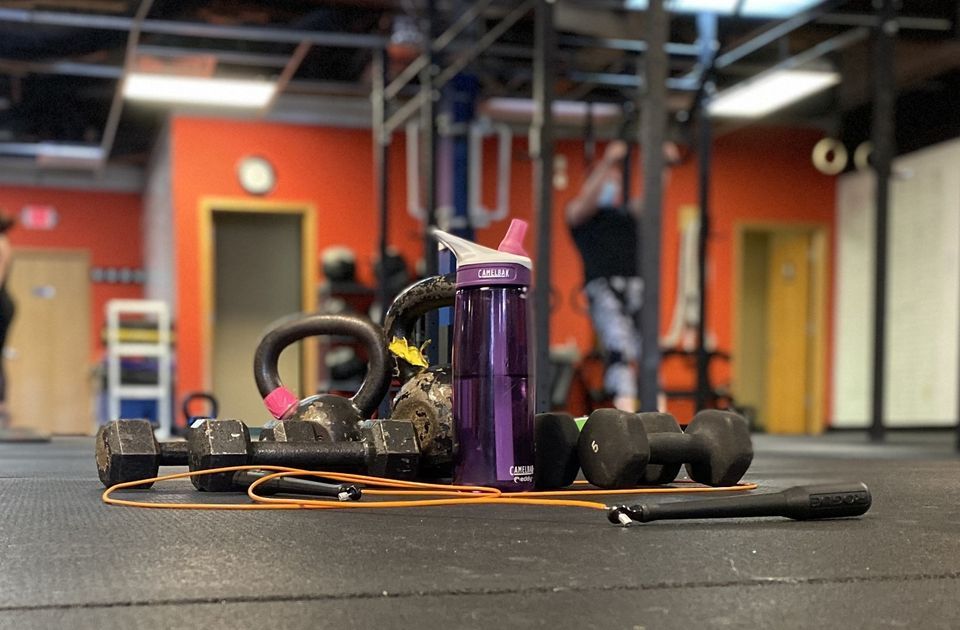
At Total Body Training in McFarland, WI, we coach our athletes on a principle many overlook: recovery is just as important as training. Your body doesn’t get stronger when you’re lifting weights — it gets stronger when you rest, repair, and refuel. Without recovery, you’re not only limiting progress, but you’re also putting yourself at risk for burnout and injury. Why Recovery Matters? Every training session creates small amounts of stress in the body: Microtears in your muscles Demands on your nervous system Depletion of energy stores That stress is good — it’s the signal your body needs to adapt. But the adaptation only happens if you give your body time and resources to repair. 👉 As Mayo Clinic notes, overtraining without proper recovery can cause fatigue, mood changes, and injury. Sleep: The #1 Recovery Tool You can’t out-supplement or out-stretch poor sleep. During sleep, your body releases growth hormone, repairs muscle fibers, and restores energy. Aim for 7–9 hours per night. Build a bedtime routine: limit screens, keep your room cool and dark. Treat sleep like a training session — it’s non-negotiable. 👉 According to the CDC , adults who consistently get 7+ hours of sleep see improvements in performance and recovery. Active Recovery vs. Total Rest Recovery doesn’t always mean lying on the couch. In fact, gentle activity helps circulation and speeds up healing. Walking, biking, or light stretching Yoga or mobility work to stay loose Foam rolling to reduce stiffness Nutrition and Hydration Your body can’t rebuild without fuel. Protein → rebuilds muscle Carbs → replenish energy stores Healthy fats → reduce inflammation Hydration → even mild dehydration slows recovery 👉 The National Institutes of Health highlights that balanced post-workout nutrition is key for rebuilding strength and performance. Listen to Your Body The best athletes aren’t those who push hardest — they’re those who know when to pull back. Signs you need more recovery: Constant fatigue Poor sleep Plateaued or declining performance Lingering soreness How We Build Recovery into Training at Total Body Training At TBT, we don’t just push workouts — we program with recovery in mind. Our semi-private personal training model means coaches adjust intensity to your needs, ensuring you train hard and smart. If you’re in McFarland or the greater Madison area, our team can help you strike the right balance between challenge and recovery so you see steady results. Takeaway Recovery isn’t laziness — it’s progress. When you prioritize sleep, nutrition, and smart rest, your training works better, lasts longer, and feels more sustainable. 👉 Ready for a program that balances hard work with smart recovery? [Book a Free Consult Here]